seismic wire is a key component in monitoring ground movements and detecting potential earthquakes. This specialized wire is designed to withstand the harsh conditions of underground environments, making it an essential tool for seismologists and geophysicists.
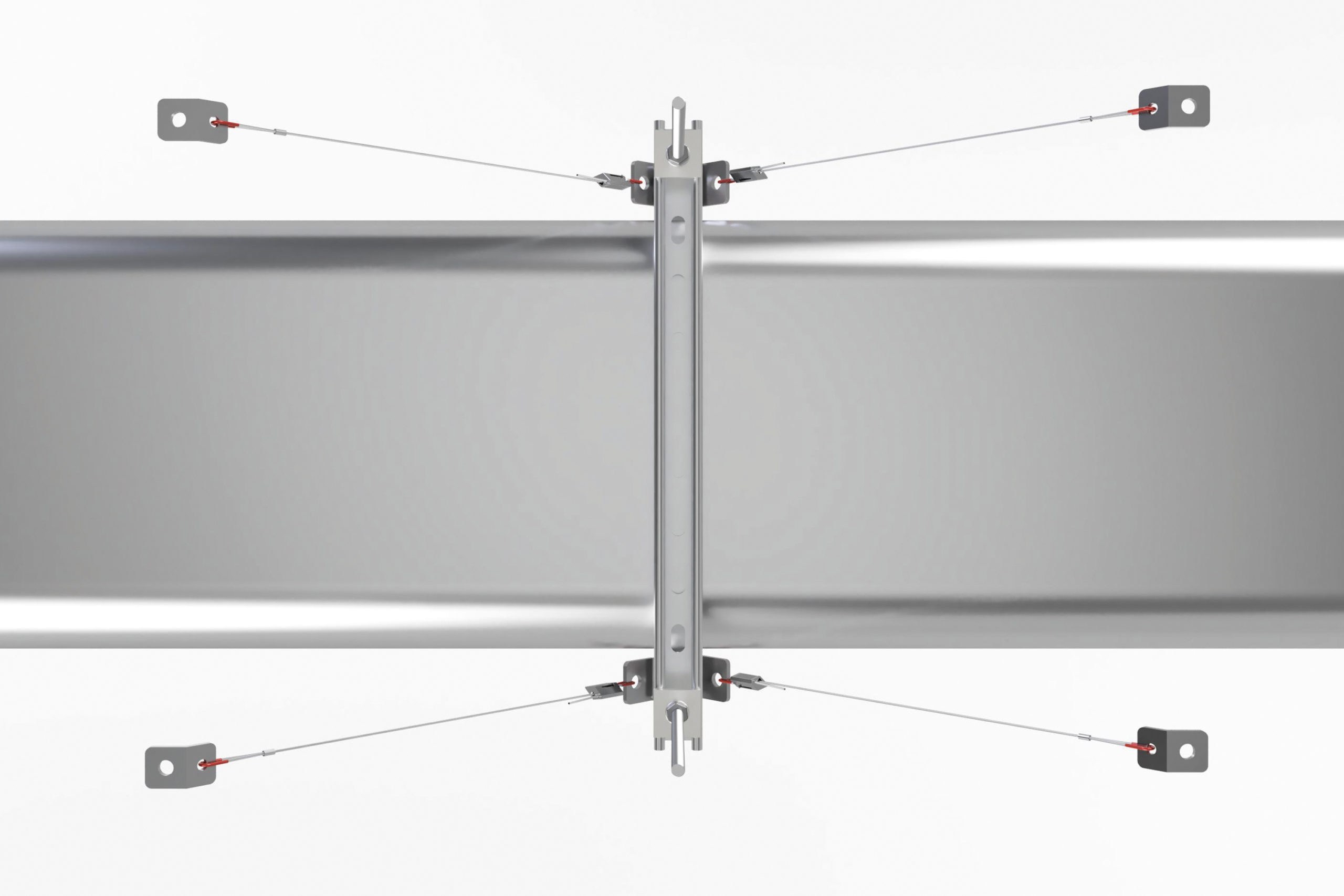
One of the main advantages of seismic wire is its durability. The wire is constructed using high-quality materials that can withstand extreme temperatures and pressures, ensuring reliable data collection even in the harshest conditions. This durability is crucial for monitoring seismic activity over extended periods, as the wire needs to remain functional and accurate for long-term studies.
seismic wire is also highly sensitive, allowing for precise measurements of ground movements. This sensitivity is essential for detecting even the smallest changes in the earth’s crust, which can provide valuable insights into fault lines and potential earthquake activity. By accurately capturing these subtle movements, seismologists can better understand the underlying processes that lead to seismic events.
In addition to its durability and sensitivity, seismic wire is also easy to install and maintain. The wire can be laid underground using specialized equipment, making it ideal for long-term monitoring projects. Once in place, the wire requires minimal maintenance, ensuring continuous data collection with minimal disruptions.
One of the key applications of seismic wire is in earthquake early warning systems. By using a network of seismic sensors connected by seismic wire, researchers can detect the initial shockwaves of an earthquake and quickly alert nearby populations. This early warning can provide crucial seconds or even minutes for people to seek shelter and minimize the impact of the earthquake.
seismic wire is also used in oil and gas exploration to monitor underground movements and detect potential hazards. By measuring the vibrations and pressure changes in the earth’s crust, companies can identify areas that may be at risk of seismic activity and take proactive measures to prevent accidents. This can help to protect both workers and the environment from the potential impacts of seismic events.
In addition to its applications in monitoring earthquakes and exploration activities, seismic wire is also used in scientific research to study the earth’s inner workings. By analyzing the data collected by seismic sensors connected by seismic wire, researchers can gain valuable insights into the structure and dynamics of the earth’s crust. This research can help to improve our understanding of the processes that drive seismic events and inform strategies for mitigating their effects.
Overall, seismic wire plays a critical role in monitoring ground movements and detecting potential earthquakes. Its durability, sensitivity, and ease of installation make it an essential tool for seismologists, geophysicists, and researchers alike. By using seismic wire in conjunction with advanced monitoring technology, we can better understand and prepare for seismic events, ultimately saving lives and protecting communities.
In conclusion, seismic wire is a valuable tool for monitoring ground movements and detecting potential earthquakes. Its durability, sensitivity, and ease of installation make it ideal for long-term monitoring projects in a variety of environments. Whether used in earthquake early warning systems, oil and gas exploration, or scientific research, seismic wire plays a crucial role in improving our understanding of seismic events and preparing for their impacts.